1752393690.png)
1752393914.png)
1752394099.png)
1752394508.png)
1752394612.png)
Discover Muscat: Oman's Enchanting Coastal Capital
Muscat, the capital city of Oman, is a mesmerizing blend of ancient traditions and modern aspirations. Unlike the towering skylines of its Gulf neighbors, Muscat maintains a charming low-rise aesthetic, adhering to strict building codes that preserve its authentic Arabian character. Framed by rugged mountains on one side and the azure waters of the Gulf of Oman on the other, Muscat offers a unique and soul-stirring travel experience, inviting visitors to delve into a rich history, vibrant culture, and breathtaking natural beauty.
Why Visit Muscat?
Muscat is a city that respects its past while thoughtfully embracing the future. It's a destination where you can explore magnificent mosques, wander through bustling traditional souks, discover grand palaces, and immerse yourself in a deeply hospitable culture. Beyond its historical treasures, Muscat also serves as a gateway to stunning wadis (riverbeds), dramatic mountains, and pristine beaches, offering an array of adventures for every kind of traveler. Its safety, cleanliness, and the warmth of its people make it an incredibly welcoming and rewarding place to visit.
Best Time to Visit
The best time to visit Muscat is during the cooler months, from October to April. During this period, temperatures are pleasant and comfortable, ranging from approximately 20°C to 30°C, making it ideal for sightseeing, outdoor activities, and enjoying the beaches. This is also the peak tourist season, but the delightful weather makes it worthwhile. The summer months (May to September) are extremely hot and humid, with temperatures often exceeding 40°C, making indoor activities and water-based excursions the primary options.
How to Reach
Muscat is easily accessible via air, sea, and road.
-
By Air: Muscat International Airport (MCT) is Oman's main gateway, served by numerous international airlines, including Oman Air, the national carrier. It offers direct connections to major cities across the Middle East, Asia, Europe, and Africa. The airport is modern and well-equipped.
-
By Road: Muscat is well-connected by good road networks to other cities within Oman and to neighboring countries like the UAE (e.g., approximately a 4-5 hour drive from Dubai, requiring border crossing formalities). Public buses and private taxis are available for inter-city travel.
-
By Cruise: Muscat is a popular port of call for international cruise liners, with the Sultan Qaboos Port welcoming ships from around the world. The cruise terminal is conveniently located near the Muttrah Corniche and Souk.
Top Things to Do
-
Sultan Qaboos Grand Mosque: An awe-inspiring architectural masterpiece, one of the world's largest mosques, open to non-Muslim visitors (with modest dress code).
-
Muttrah Souk (Mutrah Souq): Get lost in the labyrinthine alleys of this traditional Omani market, brimming with frankincense, spices, textiles, silver, and souvenirs.
-
Muttrah Corniche: Enjoy a scenic stroll along the waterfront promenade, offering stunning views of the harbor, mountains, and traditional Omani architecture.
-
Royal Opera House Muscat: A magnificent cultural landmark showcasing world-class opera, ballet, and concerts in a stunning architectural setting.
-
Al Alam Palace & Forts (Al Jalali and Al Mirani): Admire the ceremonial palace of Sultan Qaboos (exterior view only) flanked by the 16th-century Portuguese forts, providing a picturesque backdrop.
-
National Museum of Oman: Discover Oman's rich history and heritage through impressive exhibits and interactive displays.
-
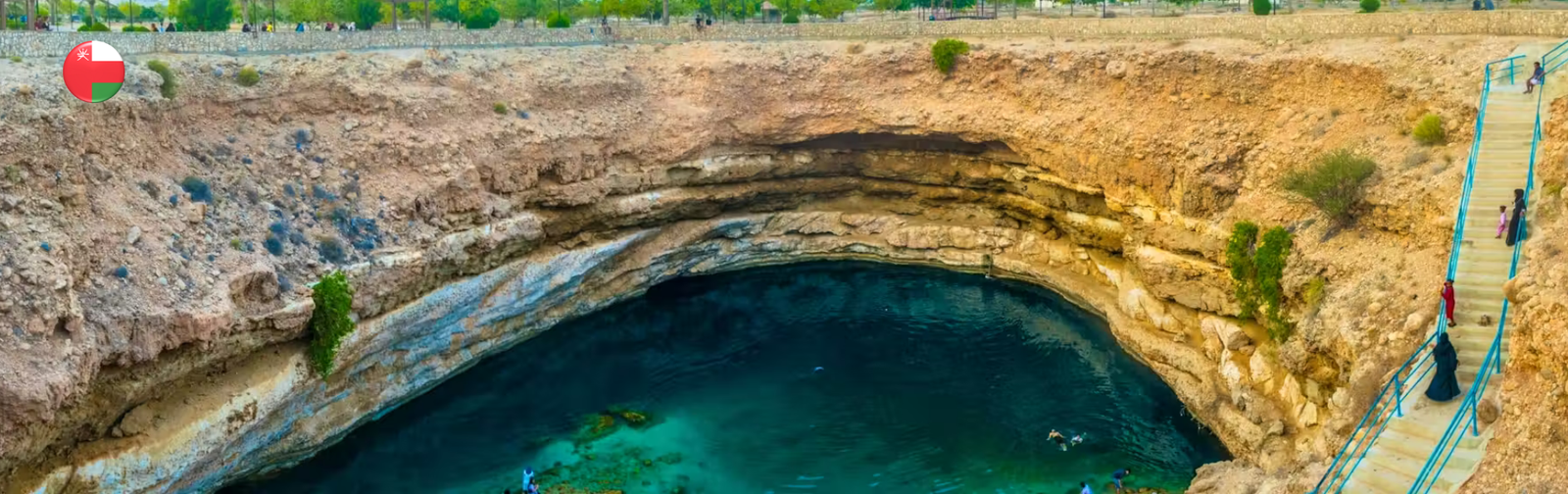
Bimmah Sinkhole: A spectacular limestone crater filled with turquoise water, perfect for a refreshing swim (located about 1.5 hours drive from Muscat).
-
Wadi Shab / Wadi Tiwi: Embark on an adventurous hike through stunning wadis, often leading to hidden pools and waterfalls (require driving outside Muscat).
-
Dolphin Watching or Snorkeling Trip: Take a boat trip into the Gulf of Oman for a chance to spot playful dolphins or explore vibrant marine life.
-
Old Muscat: Explore the historical heart of the city, surrounded by the old city walls, home to the Al Alam Palace and several museums.
Frequently Asked Questions (FAQs)
-
Is Muscat safe for tourists? Yes, Oman is considered one of the safest countries in the world, with very low crime rates.
-
What is the local currency? The local currency is the Omani Rial (OMR). Credit cards are widely accepted, but cash is useful for souks and smaller establishments.
-
Do I need a visa to visit Muscat? Visa requirements vary by nationality. Many nationalities can obtain a visa on arrival, or an e-visa in advance. It's essential to check the latest regulations for your country before traveling.
-
What is the dress code? Oman is a conservative Muslim country. Dress modestly in public places, covering shoulders and knees. Women visiting mosques must cover their hair. Swimwear is acceptable at hotel pools and beaches.
-
Is alcohol available? Alcohol is available in licensed hotels, restaurants, and some private clubs. Public consumption is prohibited, and discretion is advised.
-
Is tap water safe to drink? Tap water is generally safe to drink in Muscat, but bottled water is widely available and often preferred by tourists.
-
What language is spoken? Arabic is the official language, but English is widely spoken, especially in tourist areas.
Recommended Activities
-
Desert Safari to Wahiba Sands: Experience the magic of the Omani desert with dune bashing, camel rides, and an overnight stay in a Bedouin camp.
-
Day Trip to Nizwa: Explore the ancient fort, traditional souk, and the historic Bahla Fort (UNESCO World Heritage Site).
-
Snorkeling/Diving at Daymaniyat Islands: Discover stunning coral reefs and diverse marine life in this protected nature reserve.
-
Jebel Akhdar or Jebel Shams: For nature lovers and hikers, explore the majestic Al Hajar Mountains, including Oman's Grand Canyon (Jebel Shams) and the terraced farms of Jebel Akhdar.
-
Frankincense Trail Experience: Learn about the history and significance of frankincense, a key part of Omani heritage.
Where to Shop
Muscat offers a blend of traditional souks and modern shopping malls.
-
Muttrah Souk: The quintessential Omani shopping experience. Bargain for traditional Omani silver (khanjars, jewelry), pashminas, frankincense, oud, spices, and souvenirs.
-
Oman Avenues Mall: One of the largest shopping malls in Muscat, featuring international fashion brands, electronics, a hypermarket, and a food court.
-
Muscat Grand Mall: Another popular modern mall with a good selection of retail outlets, entertainment, and dining options.
-
Jawharat A'Shatti Mall: A smaller, more boutique mall offering a curated selection of shops and cafes near the beach.
-
Souq Al Seeb: A local market located further west from the city center, offering a more authentic experience for fresh produce, fish, and local goods.
UNESCO World Heritage Sites
While Muscat city itself does not host a UNESCO World Heritage Site, Oman is home to several, and some are easily accessible from Muscat as day trips or overnight excursions:
-
Aflaj Irrigation Systems of Oman: An ancient network of water channels used since 500 AD, vital for agriculture and life in the arid landscape. Several falaj systems are spread across Oman, some reachable from Muscat.
-
Bahla Fort: A magnificent 13th-century fortress, a masterpiece of Omani fortification, located in Bahla, near Nizwa (about 2 hours drive from Muscat).
-
Archaeological Sites of Bat, Al-Khutm and Al-Ayn: Prehistoric burial sites and settlements dating back to the 3rd millennium BC (located further inland, requiring a longer trip).
-
The Land of Frankincense: This site in the Dhofar region (southern Oman, accessible by domestic flight) includes frankincense trees, the remains of the ancient port of Sumhuram, and other archaeological sites, highlighting Oman's historical role in the frankincense trade.
These sites offer profound insights into Oman's long and rich history, making a visit to Muscat an ideal starting point for exploring the country's diverse heritage.